
Frontiers in Analytical Innovation - A Pharma Seminar
📅 Date/Time:
September 23rd, 2026
9:00 a.m. - 04:00 p.m
📍 Venue:
Courtyard by Marriott Seattle Downtown/Lake Union
925 Westlake Ave N
Seattle, WA 98109
Join Agilent Technologies for a focused Small Molecule Pharma seminar in Seattle, designed to address evolving analytical challenges in pharmaceutical development, quality control, and regulatory compliance. This program brings together cutting-edge technologies and practical workflows spanning chromatography, mass spectrometry, spectroscopy, and elemental analysis to deliver actionable insights for modern laboratories.
Attendees can explore how the latest advancements in InfinityLab LC systems and Agilent Pro iQ are redefining chromatography by enhancing confidence in results through improved sensitivity, system intelligence, and workflow integration. A strong emphasis is placed on genotoxic impurity analysis and regulatory readiness, including ultra-trace detection of nitrosamines using LC–MS and strategies for selecting the right GC/MS platform for unknown impurity identification. Dive into complementary analytical techniques, showcasing the role of Raman spectroscopy for both qualitative and quantitative analysis, as well as ICP-MS for trace metal determination, supporting compliance with stringent regulatory requirements. Designed for scientists working in analytical development, QA/QC, and research environments, this seminar offers a comprehensive toolkit to improve data quality, increase laboratory productivity, and ensure regulatory confidence in small molecule workflows.
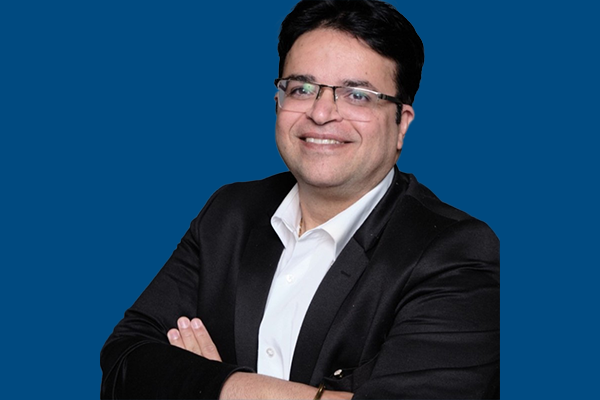
Manu Grover holds a postgraduate degree in Pharmacy and Management with 24+ years of experience in chromatography. He has worked with leading pharmaceutical companies, including Dr. Reddy’s, Panacea Biotec, and Ozone Pharmaceuticals, supporting IND, NDA, and ANDA filings. He specializes in analytical method development and validation using HPLC, GC, particle sizing, DSC, pXRD, and LC/MS, and has filed multiple analytical dossiers for EU markets. At Agilent Technologies, he leads strategic marketing initiatives and workflow programs for the pharmaceutical and biopharmaceutical sectors across North America and Canada, focusing on market trends, customer alignment, and targeted engagement.
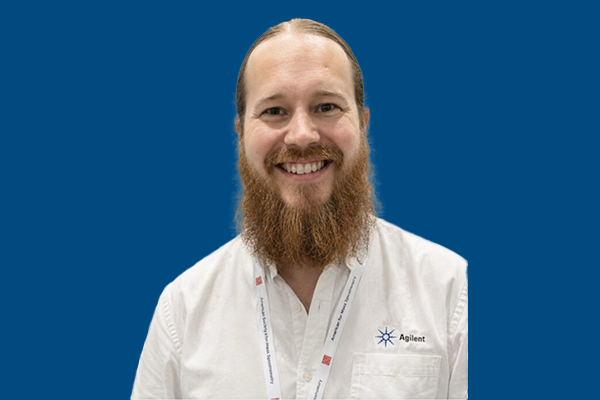
Ryan Clark is the Product Specialist for Mass Spectrometry in the Pacific Northwest. He works across multiple MS disciplines to help laboratories develop analytical strategies that align scientific objectives, operational requirements, and budget constraints. His work includes technical consultation, method development, training, laboratory planning, and collaborative research initiatives spanning pharmaceutical, environmental, clinical, and academic applications.
Recent collaborations have focused on combining advanced mass spectrometry, automation, and artificial intelligence to accelerate analytical workflows while maintaining data quality and scientific rigor.
Prior to joining Agilent in 2015, Ryan managed the LC/MS department at one of the Pacific Northwest’s largest clinical toxicology laboratories, where he led method development, staff training, and laboratory operations. He later served as an FSE supporting advanced platforms including both QqQ and HRAM platforms. This combination of laboratory, service, and applications experience provides a practical perspective on translating analytical challenges into effective mass spectrometry solutions.
Oscar Navarro is the Molecular Spectroscopy Product Specialist for the US - West Coast. He holds his Ph.D. in Organic Chemistry from the University of New Orleans and spent 12 years as a university professor, followed by several years working in the GMP biotech/CDMO space. After completing an Executive MBA at the Quantic School of Business and Technology, he transitioned into commercial roles, specializing in Process Analytics instrumentation, in companies like Nanalysis, Repligen, and now at Agilent.
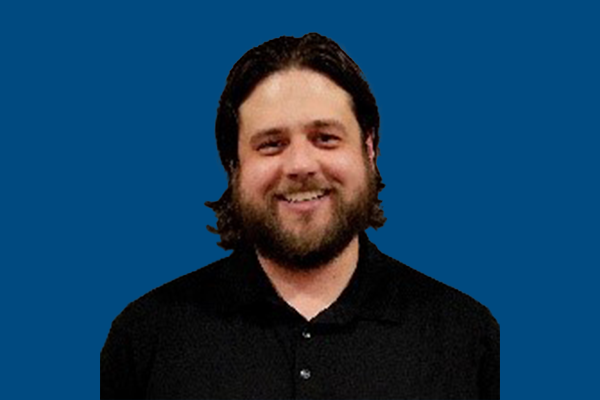
Matthew Curtus joined Agilent in 2013 as a GC/MS applications scientist in the Santa Clara, CA Center of Excellence. His primary responsibility is focused on providing instrument demos for customer interested in each technology Agilent offers; the GC/MS single quadrupole, triple quadrupole and the quadrupole Time-of-Flight. The variety of different samples submitted to the demo lab provide a unique knowledge of optimizing parameters for different applications to provide the best quality data from the instrument.
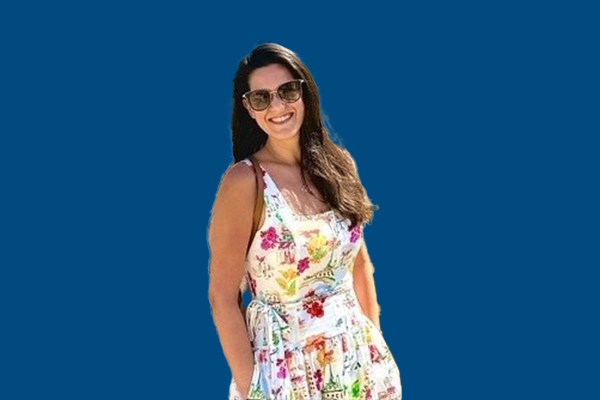
Natalie graduated from the University of Utah with a BS in biology in 2004. She joined ARUP Laboratories in Salt Lake City in 2005. She worked in a clinical toxicology lab, preparing and analyzing meconium, urine, and serum samples by enzyme immunoassay and mass spectrometry (LC-MS/MS and LC-(Q)TOF-MS). After moving into the research and development department she coordinated a head injury study with the University of Utah football team, developed and improved mass spec-based diagnostic tests, collaborated in research studies, presented at national conferences, and contributed to peer-reviewed publications and application notes. Natalie joined Agilent as a LC Column Applications Scientist in August 2017. She supports a sales team in the western US and Canada, consults with customers, and works with her colleagues to develop applications.
Emmett Soffey is an ICP-MS Product Specialist at Agilent, in Seattle, Washington. He received his undergraduate degree from Cornell University. Prior to Agilent, he worked at Brookhaven National Labs studying acid rain in the Adirondack Mountains of northern New York, and then went on to work at a number of commercial analytical labs operating GC and GC/MS.
Bita is LC applications Scientist with Agilent Technologies. Prior to Agilent she was a contractor in Cytokinetics, metabolomics team, where she focused on detection and quantification of different targets in in-vivo samples, blood and tissue, using TQ and TOF. she was also a contractor in Merck SSF, Analytical Research & Development team, managing Open Access LC, LC/TOF, and LC/QTOF instruments for method development and automated processing. Her work in Merck also covered DAR analysis, and purity check QC. Her PhD in CAARES MS center in Clarkson University was focused on extraction, purification, detection, and quantification of small molecule contaminant in complex matrices mainly utilizing LC/QTOF.