Nitrosamines Essentials: Regulatory Insights, Risk Mitigation & Analytical Solutions

July 24th, 2026
10AM PST / 1PM EST
As regulatory expectations for nitrosamines and NDSRIs continue to tighten, analytical teams are being pushed to detect impurities at ever‑lower levels with greater confidence. In this webinar, discover how Agilent’s LC‑MS and GC‑MS platforms work together to meet today’s ultra‑trace detection requirements—delivering sensitive, selective, and robust workflows across diverse pharmaceutical matrices. You’ll gain practical insight into achieving low‑ and sub‑ng/mL limits, tackling challenging isomers and co‑elutions, and choosing the right technique—LC‑MS or GC‑MS—for confident, regulation‑ready results now and for what’s next.
September 9th, 2026
10AM PST / 1PM EST
Nitrosamine impurities continue to challenge pharmaceutical manufacturers as global regulatory requirements become more stringent. This webinar examines the analytical factors that drive successful nitrosamine and NDSRI testing, with a focus on LC/MS performance and column chemistry selection. Learn how triple quadrupole LC/MS delivers ultra‑trace sensitivity at low‑ng levels, how column chemistries (RP, HILIC, and mixed‑mode) influence separation and matrix interference, and how to optimize sample preparation and chromatography for complex drug matrices. Real‑world method development examples and regulatory perspectives from EMA, FDA, and Health Canada will round out this practical, application‑focused session.
October 25th, 2026
10AM PST / 1PM EST
Nitrosamine guidelines have touched every aspect of the pharmaceutical industry. In this webinar, we will cover the full scope of regulatory expectations. We will address expectations and tips for those who are writing the initial risk assessments, performing method development, investigating how a nitrosamine is formed, or defining the strategy to ensure lasting compliance.
November 12th, 2026
10AM PST / 1PM EST
The nitrosamine presence in pharmaceutical products emerged as a public health concern in 2018 after reports that harmful levels of nitrosamine impurity, N-nitroso dimethylamine (NDMA), had been observed in Valsartan containing products. Initial nitrosamines found were small molecule nitrosamines which were not related to specific drug substances or products. Later, more nitrosamines were reported which, in addition to small molecule nitrosamines, included nitrosamines that were related to the structures of specific drug substances. This talk will discuss the continuous USP response to this important public safety concern and the tools and solutions, including standards, risk assessment, and analytical solutions, that USP has provided and is working that help mitigate the drug product safety risks stemming from the unsafe levels of Nitrosamine presence.
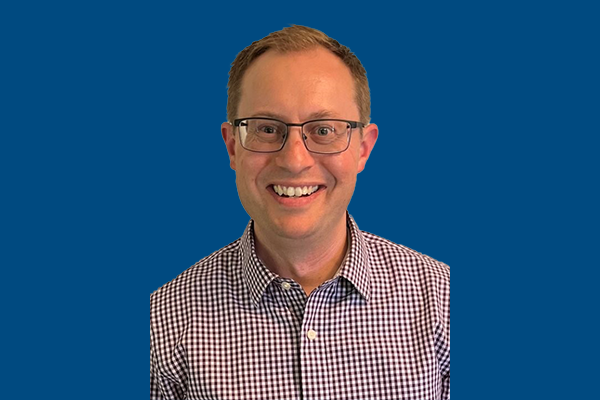
Dr. Ganesh Bala began his career in India supporting generic drug development and impurity profiling. He moved to the United States to earn his PhD in Synthetic Organic Chemistry, focusing on small‑molecule drug discovery and medicinal chemistry. He later led NIH‑funded biomedical core facilities, directing proteomics, metabolomics, and bioinformatics programs while managing complex, cross‑functional scientific operations. Dr. Bala transitioned into industry with Thermo Fisher Scientific, followed by overseeing commercial operations at Bruker across the Western United States, where he supported major research institutes, academic labs, and emerging biotech companies in adopting advanced analytical technologies. Currently, he supports Agilent’s mass spectrometry user base in the Bay Area, partnering closely with Pharma and Biopharma customers to optimize workflows and enable high‑impact analytical solutions
Jason Brown is an experienced end to end nitrosamine expert, designing and leading the multi year effort to global regulatory compliance for a global CDMO and their business partners. Showcasing, proven knowledge in risk assessments, structural identification, analytical techniques, root cause analysis, reformulation, and control strategies, Jason has, authored a July 2025 AAPS Newsmagazine Cover Article, "Nitrosamine Control Strategies: From Risk Identification to Implementation.“ He is a recognized innovator with a patent application for reformulation strategies along with articles concerning inhibition techniques and gastric nitrosamine formation.
Chander Mani, currently a Field Technical Specialist for LC and GPC Columns, is an expert on nitrosamine workflow. He is Agilent’s Application Specialist, involved extensively in Nitrosamine method development work. He authored many application notes and ASMS posters on this subject and contributed immensely during discussions about nitrosamines in different platforms.
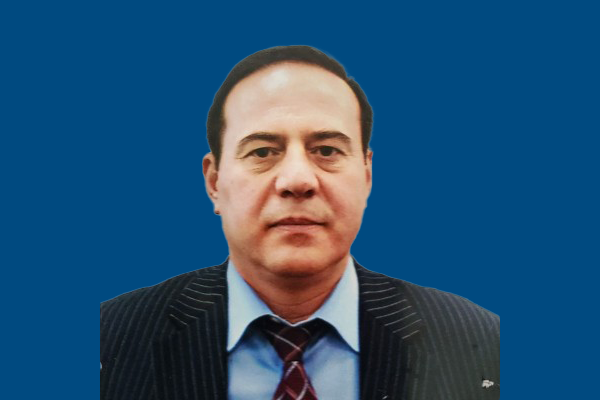
Dr. Edmond Biba is a Principal Scientist in the General Chapters–Science Division at the United States Pharmacopeial Convention (USP), where he leads the development and maintenance of USP–NF General Chapters. His work includes advancing chapters on analytical methodologies, nitrosamine impurities, and image analysis, while ensuring their scientific and regulatory relevance in collaboration with USP expert committees.
He holds a Ph.D. in Synthetic Organic Chemistry from American University (Washington, DC) and degrees in Chemical Engineering/Chemistry from the University of Tirana, Albania. Dr. Biba is a member of Sigma Xi, ACS, and AAPS, and represents USP in ICH working groups (Q3C and M7) and PQRI’s Product Quality Technical Committee.